There’s something grounding about a warm cup of tea, whether it’s the start of your morning or a quiet pause in the middle of a busy day. But what if that cup could offer more than comfort alone?
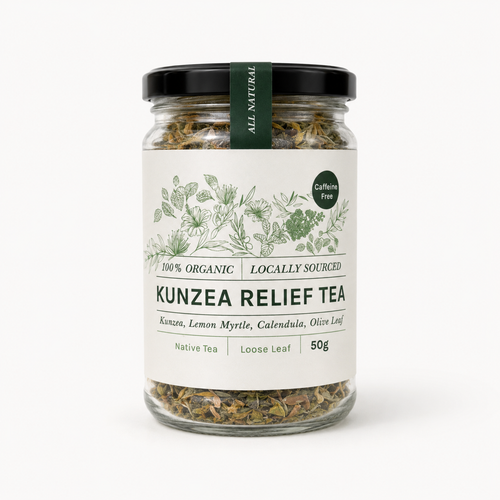
That’s the idea behind Kunzea Relief Tea. A caffeine-free, naturopath-formulated herbal blend built around one of Australia’s most unique native botanicals, Kunzea ambigua, thoughtfully combined with complementary herbs traditionally used to support everyday wellbeing.
If you haven’t come across Kunzea before, you’re about to meet one of Australia’s most interesting native plants.
What Is Kunzea?
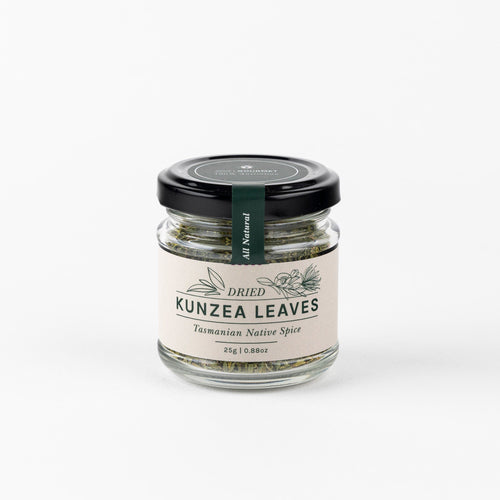
Kunzea ambigua is a native Australian shrub that grows wild in the pristine wilderness of Tasmania. It's sometimes called "tick bush" or "white Kunzea," and it blooms with small white flowers that bees absolutely love, which is actually how Kunzea Honey comes to be.
For thousands of years, Indigenous Australians used Kunzea for its calming and therapeutic properties. It was traditionally used topically to soothe aches and pains, as well as to calm the body and spirit. More recently, Kunzea has made a name for itself as a natural anti-inflammatory, earning recognition from the Australian Therapeutic Goods Administration (TGA) for its therapeutic benefits.
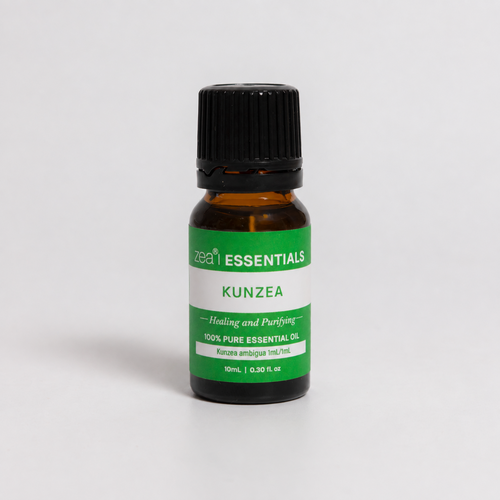
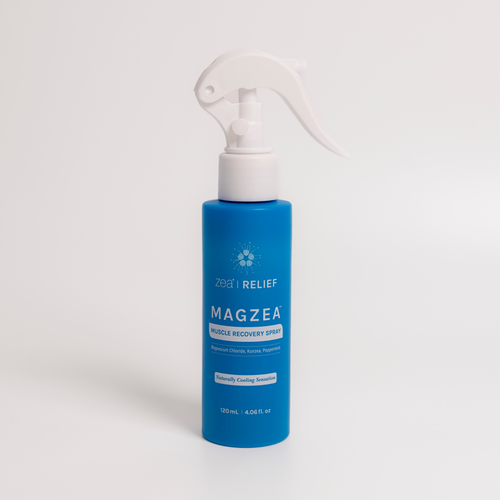
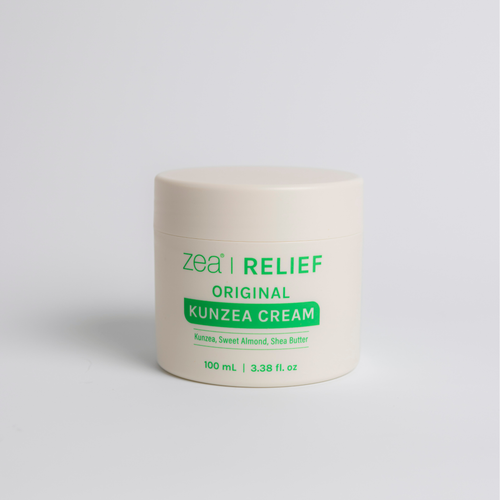
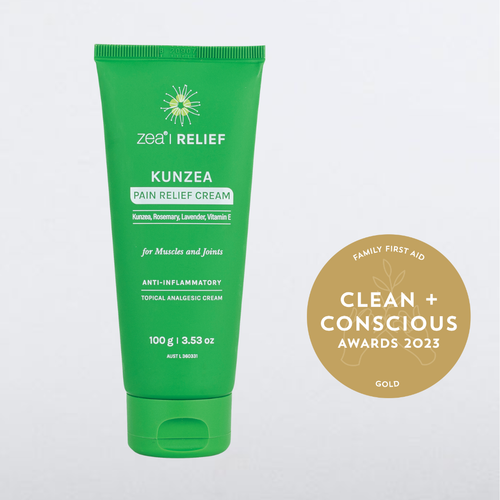
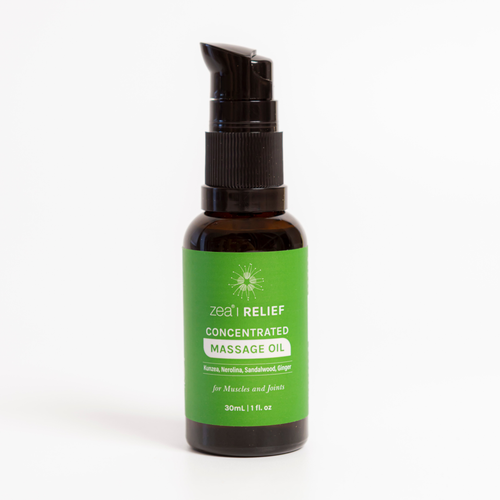
At Zea, Kunzea sits at the heart of everything we create, from our Kunzea Pain Relief Cream to our Kunzea Honey. The Kunzea Relief Tea brings this iconic native plant into a new daily ritual, offering a gentle way to enjoy it from the inside out.
What Is Kunzea Relief Tea?
Kunzea Relief Tea is a loose-leaf herbal infusion that is caffeine-free, organically grown, and formulated using Australian native and complementary botanicals.
Each ingredient has been carefully selected to create a blend that is both enjoyable to drink and supportive of general wellbeing.
The flavour is bright and refreshing, with citrus notes from Lemon Myrtle and Lemongrass, soft floral undertones from Calendula and Hibiscus, and a gentle warming finish from Ginger.
It’s designed to be enjoyed in the morning, afternoon, or evening as part of a simple daily ritual.

Ingredients
Every cup brings together a carefully balanced herbal blend:
Kunzea forms the foundation of the blend, traditionally used in herbal medicine to support general wellbeing and inflammatory balance within the body.
Lemon Myrtle and Lemongrass add citrus brightness while contributing natural antioxidant activity.
Calendula has long been used in Western herbal practice to support digestion and general immune function, while Olive Leaf provides additional antioxidant support and has traditionally been used in times of physical or lifestyle stress.
Ginger and Peppermint are well known for their role in supporting digestive comfort, particularly after meals or during periods of bloating or heaviness.
Hibiscus adds a vibrant ruby colour, a tart refreshing flavour, and naturally occurring antioxidants.
All ingredients are organically grown and sourced in Australia.
What Are the Benefits?
Immune Support
This blend includes herbs traditionally used to support immune function, including Lemon Myrtle, Olive Leaf, Calendula, and Kunzea. These botanicals contain naturally occurring plant compounds such as antioxidants and polyphenols, which help support the body’s natural defences against everyday oxidative stress.
Inflammatory Balance Support
Kunzea ambigua is traditionally used in Western herbal medicine to support the body’s natural inflammatory processes.
It contains naturally occurring aromatic compounds, including 1,8-Cineole (Eucalyptol) and Alpha-pinene, which are commonly found in aromatic native plants used in traditional herbal practices.
Rather than acting in a single, targeted way, Kunzea is valued for its broad supportive role in everyday wellbeing and physical balance.
Digestive Comfort
Ginger and Peppermint are widely used in herbal medicine to support digestive comfort, particularly after meals.
They may help ease feelings of bloating and support normal digestive function, while Lemongrass and Calendula provide gentle complementary support for overall digestive wellbeing.
Antioxidant Support
Lemon Myrtle, Hibiscus, Olive Leaf, and Calendula are naturally rich in antioxidants.
These compounds help support the body in managing oxidative stress as part of a balanced diet and healthy lifestyle.
Stress Support
Beyond individual ingredients, the act of preparing and drinking tea itself plays an important role.
Taking a few minutes out of your day to slow down, breathe, and enjoy a warm cup can support a sense of calm and grounding, making Kunzea Relief Tea as much about ritual as it is about ingredients.
Why Kunzea Makes This Tea Different
Most herbal teas are built around familiar ingredients like Peppermint, Chamomile, or Ginger, herbs that have been part of everyday wellness routines for generations.
Kunzea is different.
Kunzea ambigua is a uniquely Australian native plant that has traditionally been used in herbal practice for its calming and restorative qualities, yet remains relatively new in modern tea formulations.
This makes Kunzea Relief Tea something quite rare: a blend that bridges traditional herbal knowledge with native Australian botanicals that are only just beginning to be explored in everyday wellness rituals.
Rather than relying on a single “hero ingredient,” the strength of this tea comes from how the herbs work together. Kunzea provides the foundation, while supporting botanicals like Lemon Myrtle, Ginger, and Olive Leaf bring balance, flavour, and functional depth.
The result is a tea that feels familiar enough to enjoy daily, but distinct enough to feel like something new, a simple ritual that connects you to Australia’s native botanical landscape in every cup.
How to Brew the Perfect Cup
-
Add 1 teaspoon of loose leaf tea per 250mL of freshly boiled water
-
Steep for 2-4 minutes, depending on your preferred strength
-
Strain and enjoy warm, or allow to cool and serve over ice
-
Enjoy 2-3 cups daily as part of your wellness routine
For a naturally sweet finish, add a spoonful of Kunzea Honey once the tea has cooled slightly (not boiling).

A Natural Pairing: Kunzea Relief Tea & Kunzea Honey
If you want to elevate your daily cup, Kunzea Honey is a natural companion.
Harvested from bees foraging on Kunzea flowers in the pristine wilderness of Tasmania, it is raw, minimally processed, and carefully handled to preserve its natural character.
The flavour is smooth, gently floral, and subtly sweet, making it an ideal match for the bright, citrus-forward profile of the tea.
Together, they create a simple daily ritual that brings together two of Australia’s most distinctive native botanicals.
For those wanting an easy way to begin this ritual, our Daily Immunity Kit brings the two together in one simple bundle, making it effortless to build a consistent daily wellness habit.
If you’re looking to go a step further, the Inside & Out Trio expands on this with a Kunzea Pain Relief Cream 240g, designed to support your broader daily wellbeing routine, both inside and out.
Final Thoughts
Kunzea Relief Tea is more than just a herbal infusion, it’s a simple daily ritual built around some of Australia’s most distinctive native botanicals. Thoughtfully formulated with Kunzea ambigua and a blend of complementary herbs, it brings together tradition, flavour, and everyday wellness support in a single cup.
Whether you’re looking to support your general wellbeing, enjoy a caffeine-free alternative, or create a calming moment in your day, this tea is designed to fit easily into your routine without complexity.
At its core, Kunzea Relief Tea is about slowing down, reconnecting, and giving your body a small moment of care, one cup at a time.
References
- Ejiohuo, O. P., Folami, S. O., & Maigoro, A. Y. (2024). Calendula in modern medicine: Advancements in wound healing and drug delivery applications. European Journal of Medicinal Chemistry Reports, 12, Article 100199. https://doi.org/10.1016/j.ejmcr.2024.100199
- McKay, D. L., & Blumberg, J. B. (2006). A review of the bioactivity and potential health benefits of peppermint tea (Mentha piperita L.). Phytotherapy Research, 20(8), 619–633. https://doi.org/10.1002/ptr.1936
- Rahmani, A. H., & Aly, S. M. (2015). Active ingredients of ginger as potential candidates in the prevention and treatment of diseases via modulation of biological activities. International Journal of Physiology, Pathophysiology and Pharmacology, 7(4), 125–136.
- Shim, S. Y., Kim, J. H., Kho, K. H., & Lee, M. (2020). Anti-inflammatory and anti-oxidative activities of lemon myrtle (Backhousia citriodora) leaf extract. Toxicology reports, 7, 277–281. https://doi.org/10.1016/j.toxrep.2020.01.018
- Sengul, M., Yildiz, H., Gungor, N., Cetin, B., Eser, Z., & Ercisli, S. (2009). Total phenolic content, antioxidant and antimicrobial activities of some medicinal plants. Pakistan Journal of Pharmaceutical Sciences, 22(1), 102–106.