Strawberry Gum might be the most surprising leaf in the Australian bush pantry. Dried and ground, this eucalypt tastes uncannily of berries and cream, and one teaspoon turns a plain butter cookie into something people always ask about. A spoonful of custard powder folded through the dough is the other quiet trick, giving these an old-fashioned bakery softness rather than a crisp snap.
The lemon icing is where the flavour really lands. A second teaspoon of Strawberry Gum goes into the icing itself, so every bite opens with citrus and finishes with that sweet, faintly floral berry note. Strawberry Gum isn't something we grow or sell at Zea Gourmet - it comes from specialty native food suppliers, and a little goes a long way.
At a glance: Makes about 30 | Prep 20 min | Cook 12 min (+ 15 min chilling and 1 hour icing set)
A eucalypt that tastes like dessert
Strawberry Gum is the dried, ground leaf of a small eucalypt native to the New South Wales coast. Rub the dried leaf between your fingers and the smell is unmistakably berries and cream, closer to a lolly shop than anything you'd expect from a gum tree. It's one of the more playful native ingredients to bake with, precisely because it tastes nothing like what it looks like.
It sits in different territory to the Tasmanian natives we usually cook with. Where Dried Kunzea Leaf brings a warm eucalyptus and honey note and Lemon Myrtle brings clean citrus, Strawberry Gum brings actual sweetness, more fruit than herb. That's what makes it worth tracking down for a biscuit like this one, where the whole point is a soft, iced, afternoon-tea treat.
Strawberry Gum cookies
Makes about 30
Prep 20 minutes, plus 15 minutes chilling
Bake 10 to 12 minutes at 160°C
Ingredients
For the cookies
- 125g butter, softened
- ⅓ cup (75g) caster sugar
- ½ teaspoon vanilla extract
- 1 teaspoon finely grated lemon rind
- 1 egg
- 1½ cups (225g) plain flour
- ¼ cup (50g) custard powder
- 1 teaspoon ground Strawberry Gum
For the icing
- ½ cup (68g) icing sugar
- 1 tablespoon lemon juice
- 1 teaspoon ground Strawberry Gum
Method
- Beat the butter, caster sugar, Strawberry Gum, lemon rind and vanilla with electric beaters for a full 5 minutes, until pale and fluffy - don't shortcut this, it's what keeps the crumb light. Add the egg and beat until just combined.
- Sift the flour and custard powder over the butter mixture and stir through with a wooden spoon until a soft dough just comes together.
- Divide the dough in half, press each half into a flat disc, wrap and refrigerate for 15 minutes. Chilled dough rolls cleanly and holds its shape once cut.
- Preheat the oven to 160°C fan-forced (180°C conventional). Line two baking trays with baking paper.
- Roll each disc between two sheets of baking paper to 5mm thick, then cut into rounds (or any shape you like) and place on the trays, 2cm apart. Gather and re-roll the offcuts once.
- Bake for 10 to 12 minutes, until the edges just start to colour and the tops feel dry and set. Cool completely on a wire rack before icing.
- Stir the icing sugar, lemon juice and Strawberry Gum together to a thick, spreadable paste, adding a few extra drops of lemon juice if it's too stiff to spread. Spread over the cooled cookies with the back of a spoon.
- Leave the icing to set for about 1 hour before stacking or storing - it should feel dry, not tacky, to the touch.

Getting the crumb and icing right
The 5-minute beat in step 1 does more work than it looks like. That time is what dissolves the sugar into the butter and beats in enough air to keep the biscuits tender rather than dense, so don't shortcut it even once the mixture looks pale. Chilling the dough matters just as much: warm dough drags under the rolling pin and spreads in the oven, while chilled dough cuts clean edges and holds its shape.
Ice the cookies only once they're completely cool, or the icing slides straight off rather than setting into a smooth layer. If your kitchen runs warm and the dough softens while you're cutting shapes, slide the tray back into the fridge for 5 minutes before it goes in the oven.
Tips and swaps
- No Strawberry Gum on hand? Swap in the same quantity of finely crushed Dried Kunzea Leaf for a eucalyptus and honey character instead, or try Lemon Myrtle, Aniseed Myrtle or Wattleseed for their own spin. All are available from specialty native food suppliers.
- For a stronger citrus lift, double the lemon rind in the dough and add an extra quarter teaspoon of lemon juice to the icing.
- Cut smaller (3cm) rounds for a gift-box batch - they'll need closer to 8 minutes in the oven.
- The dough is easy enough for little hands to cut shapes with, just keep it chilled between batches so it doesn't turn sticky.

Storage
Store iced cookies in an airtight container at room temperature for up to a week. Un-iced cookies freeze well for up to 2 months - thaw completely, then ice just before serving.
Shop the recipe
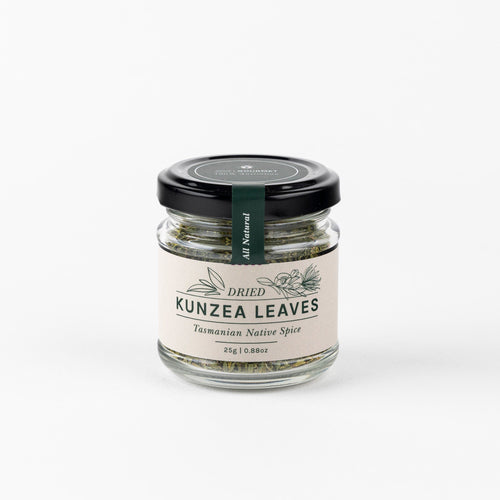
- Dried Kunzea Leaf: the wild Tasmanian swap for Strawberry Gum, with its own eucalyptus and honey character.
Ice a batch for the biscuit tin and keep them on hand for whenever the afternoon calls for something sweet with a cup of tea. If you like an iced biscuit with a native twist, our Native Kunzea Yoyos use the same custard-powder trick, with a Kunzea and Davidson Plum icing standing in for the lemon.

![Manuka Raw Honey [MGO 100+] - High Activity](http://www.zeaaustralia.cn/cdn/shop/files/ZG-Manuka_100MGO_Honey-250g_Neutral-1x1_7f9245eb-295c-4905-a45c-d9dd0c8b17b3.jpg?v=1776732039&width=500)