There is a specific weekend in early September when the whole country seems to decide winter is over. The jumper comes off around eleven. Someone drags the outdoor table into the sun. Lunch turns into a four hour thing.
This is the dish for that weekend. It gets made ahead, it sits happily at room temperature, and it is better forty minutes after you finish it than it is straight off the stove.
Why this belongs on a spring table
Most vegetable sides punish you for taking your eye off them. They need to go straight from oven to table or they sulk. This one does the opposite: the hot vegetables go into the marinade and keep drinking it up as they cool, so the flavour builds while you are doing something else entirely.
That makes it genuinely useful for the way we eat in spring. Cook it in the morning, leave it on the bench, and put it out when people arrive. No last minute anything.
It also travels, which makes it a good thing to be asked to bring.
The crunch on top
The marinade is built around our Australian Native Bush Dukkah, a coarse toasted blend of Macadamias, Almonds, Pistachios and Wattleseed with native spices through it. Stirred into oil and lemon, it does two jobs at once: the nuts hold texture against the soft roasted vegetables, and the spices season the whole bowl without you reaching for anything else.
A note on what you are looking for. Dukkah is a chopped blend, not a powder. Ours is chunky and pale gold with visible pieces of nut, small green flecks of Pistachio and darker specks of native spice. That texture is the point, so resist the urge to grind it finer.

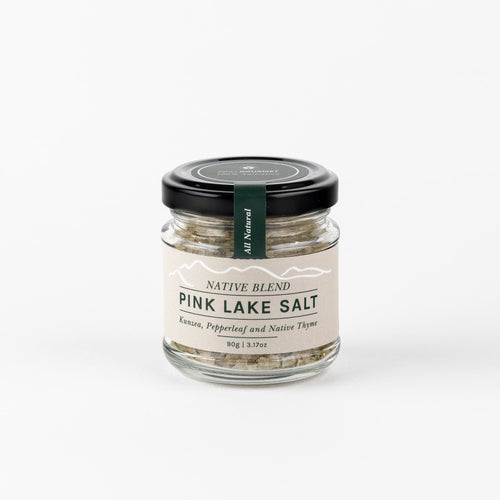
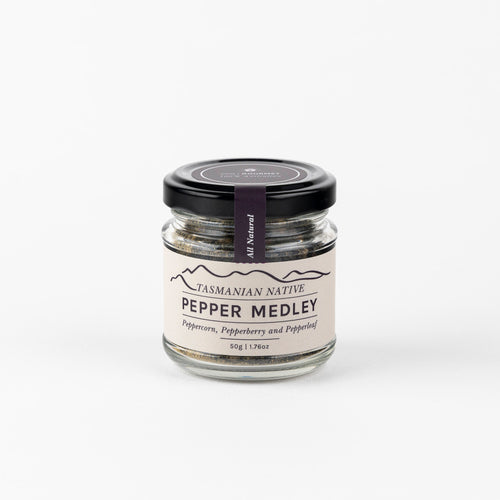
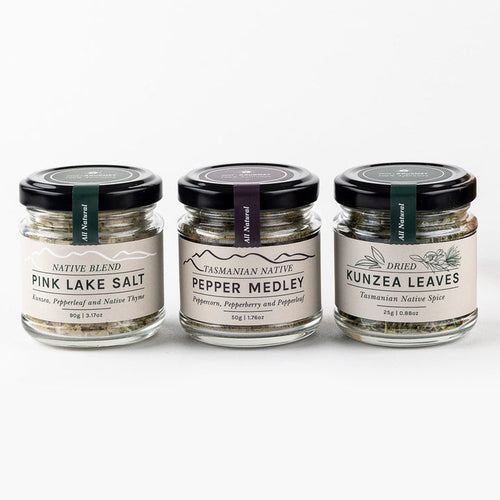
Please note: Bush Dukkah contains Macadamias, Almonds and Pistachios. Leave it out if you are cooking for nut allergies, and season with a little extra Native Blend Pink Lake Salt and freshly ground Tasmanian Native Pepper Medley instead.
Dukkah marinated spring veggies
Serves 4 as a side
Prep 15 minutes
Cook 20 minutes, plus cooling
Ingredients
- 1 small zucchini, sliced into 5mm rounds
- 1 cup (180g) pumpkin, diced into 1cm pieces
- 4½ tablespoons olive oil
- 1 tablespoon Australian Native Bush Dukkah
- 3 tablespoons lemon juice
- 1 teaspoon finely diced red chilli (about ¼ of a long chilli)
- 2 tablespoons chopped fresh coriander
- ½ clove garlic, finely diced
- A pinch of Native Blend Pink Lake Salt
Method
- Heat the oven to 190°C fan-forced (210°C conventional).
- Toss the pumpkin with ½ tablespoon of the olive oil and a pinch of salt, spread it out on a tray, and roast for 20 minutes. You want the edges caramelised and the centres tender enough to give under a fork.
- While the pumpkin roasts, pan fry the zucchini rounds in a hot pan until golden on both sides. Do not crowd the pan or they will steam and go limp.
- Make the marinade in a large bowl: the remaining 4 tablespoons of olive oil, the Bush Dukkah, lemon juice, chilli, garlic, coriander and a pinch of Pink Lake Salt. Whisk it together and leave it to sit while the vegetables finish.
- Add the pumpkin and zucchini to the bowl while they are still hot. This is the step that matters. Hot vegetables absorb the marinade instead of sitting in it.
- Stir gently until everything is coated. Be careful with the pumpkin, which will want to break up.
- Leave to cool to room temperature before serving, at least 30 minutes. The dukkah softens slightly at the edges and the lemon works its way through.

Swapping the vegetables
The method matters more than the shopping list. Anything you can roast or pan fry until it has caramelised edges will work, so cook what looks good rather than what is written above.
- Eggplant is the best swap of the lot. Cut it thick, salt it, and give it more oil than feels sensible.
- Asparagus and broad beans lean the dish properly into spring. Both want a much shorter cook, so add them to the marinade last.
- Capsicum and red onion roast down sweet and hold up well if you are making it the day before.
- Cauliflower roasted hard until the florets brown takes the dukkah better than almost anything else.
Serving and keeping
Serve at room temperature, never fridge cold, or you lose half the aromatics. It sits alongside barbecued lamb or chicken without competing, and works just as well piled onto flatbread with yoghurt for a lighter lunch.
It keeps in an airtight container in the fridge for 3 days. Take it out a good half hour before serving, and freshen it the way you would a leftover salad: another squeeze of lemon and an extra tablespoon of chopped coriander stirred through. Add a final scatter of Bush Dukkah just before it goes on the table so the crunch is there, and season with a pinch of Pink Lake Salt.
If you are cooking for a crowd this spring, our Bush Dukkah is the one jar that will earn its shelf space, and a pinch of Pink Lake Salt finishes almost anything that comes off the barbecue. For another native spin on a vegetable side, try our Kunzea Honey roasted carrots.