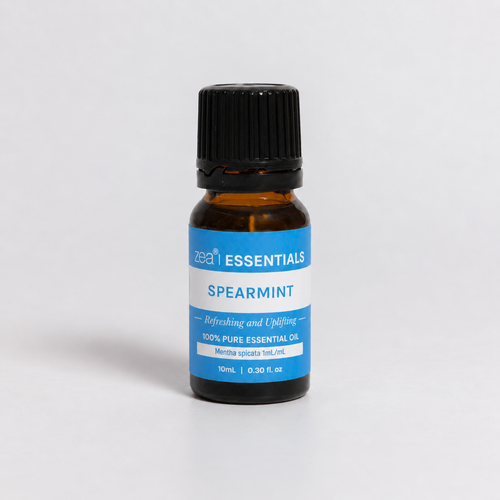
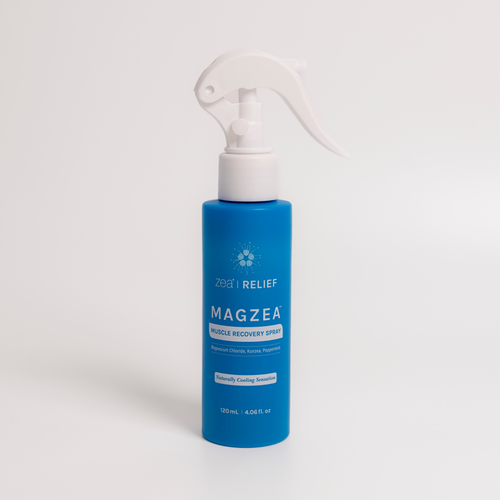
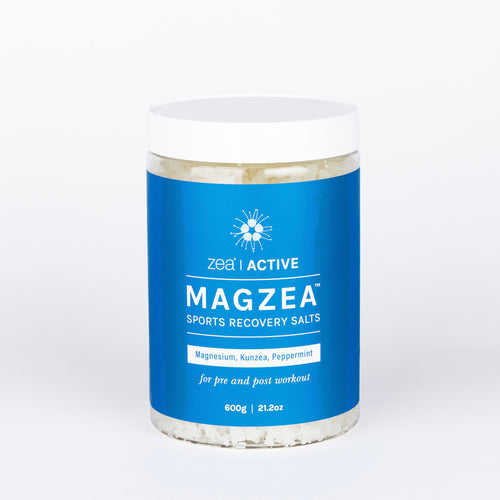
Spearmint essential oil is steam-distilled from Mentha spicata, a mint species dominated by the compound carvone rather than the menthol that defines peppermint oil. That single chemical difference is why spearmint smells sweeter and rounder than peppermint, and why it does not produce the same intense cooling sensation on skin. In aromatherapy, spearmint is used in diffusers and diluted topical blends to support a sense of alertness and calm focus, and it blends well into muscle-recovery and lifestyle products where a gentler, non-cooling mint note is wanted.
Botanical identity
Before looking at how spearmint is used, it helps to know exactly what it is and how it is produced.
| Attribute | Detail |
|---|---|
| Botanical name | Mentha spicata L. |
| Family | Lamiaceae (mint family) |
| Plant part used | Leaves and flowering tops |
| Extraction method | Steam distillation |
| Aroma profile | Sweet, herbaceous, warm-minty, without peppermint's sharp cooling top note |
| Dominant constituent | Carvone (reported at 40.8% to 78.8% of the oil across published compositional analyses, alongside limonene)12 |
Growing origin and harvest timing shift the exact carvone percentage from one batch to the next, which is normal for a steam-distilled plant oil rather than a synthetic ingredient with a fixed formula.
What spearmint smells like, and what it blends with
Spearmint reads as the softer, sweeter sibling in the mint family. Where peppermint opens with an icy, almost medicinal sharpness, spearmint is rounder and warmer, closer to the smell of chewing gum or fresh mint leaves crushed between your fingers than to a menthol inhaler. That gentler profile makes it easier to blend into a wider range of scents without dominating them.
In a diffuser, spearmint pairs well with citrus oils (lemon, sweet orange), herbaceous oils (rosemary, basil) and other calming blends such as our Clarity Lifestyle Blend, which uses mint alongside other botanicals for a lifting, focus-supporting aroma without the sharper cooling edge of straight peppermint.

Because the aroma sits closer to a fresh herb garden than a medicine cabinet, spearmint also works well in shared spaces where an overly sharp scent can be off-putting, an office, a shared bathroom, or a bedroom where you don't want the more stimulating edge that straight peppermint can bring in the evening.
Traditional and documented uses

Mint species have a long history of traditional use in food, tea and folk remedies across the Mediterranean, Middle East and South Asia, generally for digestive comfort and as a refreshing flavouring. In modern aromatherapy, spearmint's role is narrower and more specific: as an inhaled or diffused scent associated with alertness and mental clarity, and as a topical fragrance and mild sensory ingredient in balms, sprays and bath products.
It's worth being precise about what the current evidence actually supports. Laboratory studies on Mentha spicata oil have investigated its antimicrobial and antioxidant activity in vitro13, which is interesting chemistry but is not the same as a clinical claim about what the oil does when applied to a person. Zea does not sell spearmint oil as a treatment for any digestive, hormonal or internal condition, and it should not be taken internally. Used the way most people actually use it, aromatically and in well-diluted topical blends, spearmint's main job is a pleasant, uplifting scent experience.
How to use spearmint essential oil
Spearmint essential oil is potent and, like all essential oils, should always be diluted before it touches skin. Our guide to diluting essential oils sets out the ratios and the drops-per-millilitre maths in full.
- Diffusion: 3 to 5 drops in a standard ultrasonic diffuser with water, run in a well-ventilated room for 30 to 60 minutes at a time.
- Topical dilution: a 1% dilution (roughly 6 drops of essential oil per 30ml of carrier oil, such as sweet almond or jojoba) is a reasonable general starting point for adult skin; go lower, around 0.5%, for more sensitive skin or first-time use.
- Bath: disperse 4 to 6 drops in a tablespoon of carrier oil or an unscented bath dispersant before adding to running water. Never drop neat essential oil directly into bathwater, where it floats undiluted on the surface and can irritate skin.
If you want the cooling, muscle-focused side of mint rather than the aromatic side, that's a different use case again, and it's exactly what our MAGZEA™ Muscle Recovery Spray and MAGZEA™ Muscle Recovery Salts are formulated for, using a blend of Spearmint and Peppermint together rather than either oil alone.
Safety notes
General essential oil safety guidance applies to spearmint as it does to any other oil in this family:
- Always dilute before topical use. Neat essential oil on skin, especially undiluted mint oils, can cause irritation or a burning sensation.
- Patch test a diluted blend on the inner forearm and wait 24 hours before wider use, particularly if you have sensitive or reactive skin.
- Pregnancy and breastfeeding: speak with your GP or midwife before using any essential oil, including spearmint, during pregnancy or while breastfeeding.
- Children: use lower dilutions and diffuse in short bursts in a ventilated room. As with other mint oils, avoid applying strong mint blends near an infant's or young child's face, where the aroma is more concentrated in the air they breathe.
- Pets: essential oils, including mint oils, should not be diffused continuously around cats, whose liver enzymes process some plant compounds poorly. Give pets the option to leave the room.
Spearmint vs peppermint: same family, different job
Spearmint and peppermint are often used as if they're interchangeable, but the chemistry tells a different story, and it's the reason Zea makes room for both rather than picking one as "better." Peppermint oil is dominated by menthol, which is what produces its sharp, cooling sensation on skin and its brighter, more medicinal aroma4. Spearmint is dominated by carvone instead, which reads as sweeter and rounder, and does not trigger that same cooling response1. Neither profile is an inferior version of the other: they're suited to different jobs.
| Feature | Spearmint (Mentha spicata) | Peppermint (Mentha x piperita) |
|---|---|---|
| Dominant constituent | Carvone1 | Menthol4 |
| Aroma | Sweet, rounded, gum-like | Sharp, bright, medicinal |
| Cooling sensation on skin | Mild to none | Strong |
| Typical use case | Diffusion, gentler topical blends, flavouring | Cooling muscle and recovery products, invigorating diffuser blends |
| Child-safety note | Lower dilution, ventilated room, avoid the face | Same, plus extra caution near infants given the stronger cooling and cineole content |
That's also why our own Muscle Recovery Spray and Muscle Recovery Salts use Spearmint and Peppermint together rather than swapping one for the other: the peppermint supplies the cooling hit people want after a hard session, and the spearmint softens and rounds out the aroma so the blend doesn't read as one-dimensionally medicinal. If you want a gentler mint scent on its own, reach for spearmint. If you want the cooling effect, peppermint is doing that job. Browse the full range in our essential oils collection, or try a spearmint-scented moment in one of our Refresh Shower Steamers.
Frequently asked questions
Is spearmint oil the same as peppermint oil?
No. They come from different (though related) mint species, and their essential oils are chemically distinct: spearmint is dominated by carvone, peppermint by menthol14. The result is a different smell and a very different sensation on skin.
Does spearmint oil have a cooling effect like peppermint?
Not to the same degree. Menthol, the dominant compound in peppermint, is what activates the skin's cold-sensing receptors and produces that strong cooling sensation. Spearmint's carvone does not trigger the same response, so it reads as a warmer, sweeter mint.
Can I use spearmint essential oil on my skin?
Yes, but only diluted in a carrier oil. A 1% dilution (about 6 drops per 30ml of carrier) is a reasonable starting point for adult skin; patch test first.
Is spearmint oil safe during pregnancy?
Speak with your GP or midwife before using any essential oil during pregnancy, spearmint included. This article is not medical advice.
Can spearmint oil be used around children?
Use lower dilutions, diffuse for short periods in a ventilated room, and avoid applying mint blends near an infant's or young child's face.
What does spearmint oil blend well with?
Citrus oils like lemon and sweet orange, herbaceous oils like rosemary and basil, and other lifestyle blends where a lifting, non-cooling mint note is wanted.
References
Sources open in a new tab so you do not lose your place.
- 1. Snoussi M, Noumi E, Trabelsi N, et al. Mentha spicata essential oil: chemical composition, antioxidant and antibacterial activities against planktonic and biofilm cultures of Vibrio spp. strains. Molecules. 2015. View source
- 2. Shahbazi Y. Chemical composition and in vitro antibacterial activity of Mentha spicata essential oil against common food-borne pathogenic bacteria. Journal of Pathogens. 2015. View source
- 3. Bardaweel SK, Bakchiche B, ALSalamat HA, et al. Chemical composition, antioxidant, antimicrobial and antiproliferative activities of essential oil of Mentha spicata L. BMC Complementary and Alternative Medicine. 2018. View source
- 4. Saharkhiz MJ, Motamedi M, Zomorodian K, et al. Chemical composition, antifungal and antibiofilm activities of the essential oil of Mentha piperita L. ISRN Pharmaceutics. 2012. View source