
Pain is one of the most universal human experiences - and one of the least well understood. Whether you're dealing with a sudden injury, long-term joint discomfort, or the kind of chronic pain that gradually erodes quality of life, understanding how pain actually works is the first step toward managing it more effectively.
Why Does Pain Exist?
Pain is not an enemy - it's a communication system. When your body senses damage or potential damage, your peripheral nervous system sends signals through the spinal cord to the brain. The brain processes these signals and produces the sensation of pain as a protective response: telling you to stop what you're doing, rest, or seek help.
In this sense, pain is essential to survival. People born with rare conditions that prevent them from feeling pain are at serious risk - they sustain injuries without realising it, and damage accumulates unchecked. Pain is the body's alarm system, and like any alarm, it needs to be heard and responded to.
Acute vs Chronic Pain: What's the Difference?
Understanding the distinction between acute and chronic pain is important because they require different approaches to management.
Acute pain is short-term pain with a clear cause - a cut, a burn, post-surgical pain, or a sprained ankle. It resolves as the underlying injury heals, usually within days to weeks. Acute pain is a healthy signal.
Chronic pain is pain that persists beyond the normal healing period - typically defined as pain lasting more than 3 months. It may have an identifiable cause (arthritis, endometriosis, nerve damage) or it may continue in the absence of any obvious ongoing injury. In chronic pain, the nervous system can become sensitised - essentially, the volume on the alarm gets stuck at high. This is why chronic pain is a complex condition that benefits from a multi-pronged approach.
In Australia, 1 in 5 people live with chronic pain - making it one of the most prevalent health challenges in the country.
What Affects How We Experience Pain?
The experience of pain is deeply individual. Two people with identical injuries can experience very different levels of pain - and this is entirely normal. Factors that influence pain perception include:
- Age - pain sensitivity and tissue repair capacity change as we age
- Sleep - even one night of poor sleep significantly increases pain sensitivity
- Stress and mental health - anxiety, depression, and chronic stress all amplify pain signals
- Movement and fitness level - regular gentle movement reduces systemic inflammation and builds pain resilience
- Previous pain experience - the nervous system "learns" from past pain, which can either help or hinder recovery
- Social connection - isolation tends to worsen chronic pain; community and support improve outcomes
Natural Approaches to Pain Relief
With chronic pain affecting so many people, it's understandable to look for relief beyond pharmaceutical options - especially given the limitations and side effects associated with long-term NSAID or opioid use. Here are the most well-supported natural approaches:
Movement and Exercise
Counterintuitive as it may seem, gentle regular movement is one of the most powerful tools for chronic pain management. Exercise releases endorphins (the body's natural pain killers), reduces systemic inflammation, strengthens supporting muscles, and improves sleep - all of which translate to reduced pain over time. Walking, swimming, yoga, and tai chi are particularly well-suited to people managing chronic pain.
Topical Natural Remedies
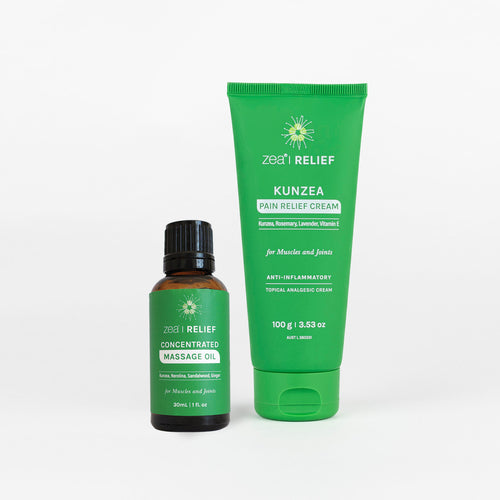
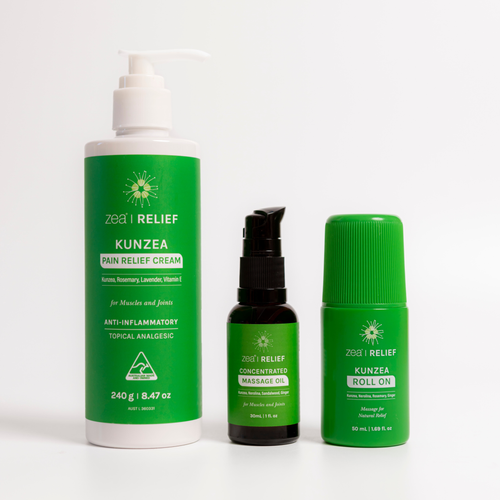
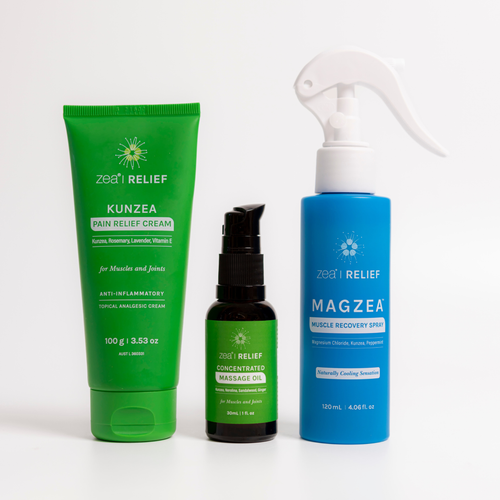
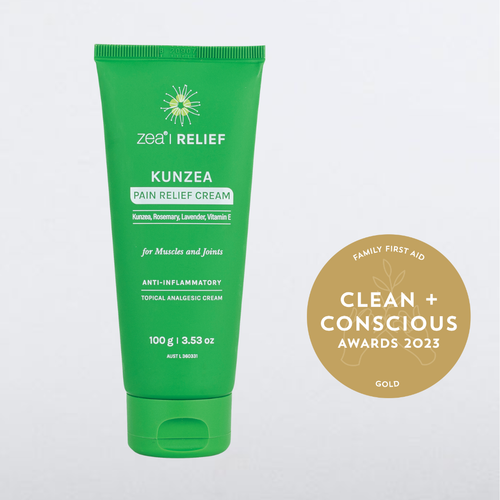
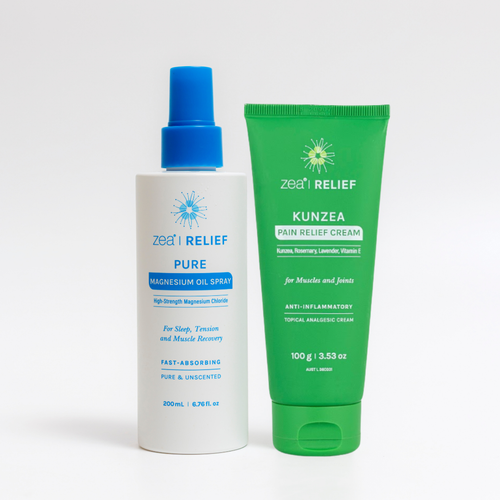
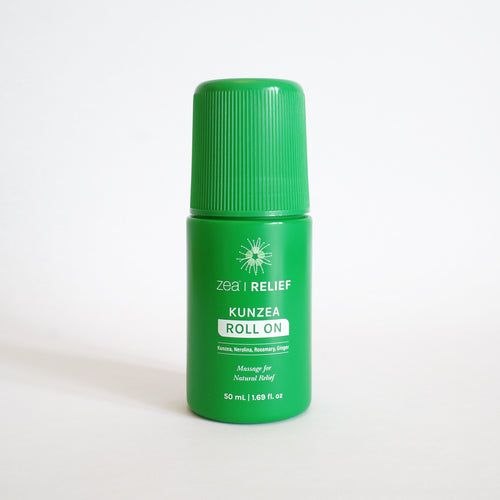
Applied directly to the site of pain, natural anti-inflammatory compounds can provide meaningful localised relief. Kunzea oil - the active ingredient in the Zea Relief range - is a Tasmanian-grown essential oil with well-documented anti-inflammatory and analgesic properties. Our Kunzea Pain Relief Cream and Concentrated Massage Oil are used daily by thousands of Australians living with arthritis, muscle pain, and chronic inflammation.
Heat Therapy
Applying heat to painful muscles and joints increases blood flow, relaxes tissue, and interrupts pain signals to the brain. A heat pack, warm bath, or even a long warm shower can offer significant short-term relief - particularly for morning stiffness and joint pain. Combine heat with topical pain relief cream for an enhanced effect.
Mindfulness and Meditation
Research consistently shows that mindfulness-based interventions reduce the suffering associated with chronic pain, even when the pain itself doesn't completely resolve. Mindfulness doesn't reduce pain by ignoring it - it changes the relationship between mind and pain, reducing the anxiety and tension that amplify pain signals. Even 10 minutes of daily practice can make a meaningful difference.
Sleep Prioritisation
The relationship between pain and sleep is bidirectional - pain disrupts sleep, and poor sleep worsens pain. Breaking this cycle is one of the most impactful things you can do for chronic pain. Establish a consistent sleep schedule, create a calming wind-down routine, and consider diffusing Kunzea or lavender essential oil in the bedroom for a naturally relaxing environment.
Nutrition
An anti-inflammatory diet - rich in oily fish, colourful vegetables, berries, nuts, seeds, and whole foods - supports the body's natural pain-regulation processes. Reducing processed food, refined sugar, and alcohol can also reduce systemic inflammation over time.
Frequently Asked Questions
Is chronic pain "in your head"?
Chronic pain is real and measurable - it involves genuine changes in the nervous system. While psychological factors can influence pain perception, this doesn't mean the pain is imagined or that the person is weak. Chronic pain is a complex physiological condition that deserves proper care.
Can natural remedies fully replace medication for chronic pain?
For some people, natural approaches provide sufficient relief. For others, they work best alongside medical treatment. Always work with your healthcare provider to find the combination that's right for you.
How does Kunzea oil help with pain?
Kunzea oil contains active compounds - particularly alpha-pinene and globulol - that have demonstrated anti-inflammatory and analgesic properties. Applied topically, it can help reduce localised inflammation and soothe painful muscles and joints.
Living with pain - whether acute or chronic - can be isolating and exhausting. But with the right combination of knowledge, support, and tools, a better quality of life is genuinely achievable. At Zea, we're here to be part of your toolkit.


![Kunzea Pain Relief Cream [Value Pack]](http://www.zeaaustralia.cn/cdn/shop/files/Neutral_Images_Website_1080_x_1080_12_aeeb7fb5-6b18-4315-99ea-c7a97403e37a.png?v=1776732033&width=500)


