
Endometriosis affects approximately 1 in 9 Australian women of reproductive age, yet it often takes years to diagnose and even longer to find a management approach that works. While there is currently no cure, a holistic approach - combining medical care with lifestyle, movement, nutrition and natural pain relief - can make a meaningful difference to everyday quality of life.
At Zea, we're committed to supporting people living with painful chronic conditions. In early 2024, we partnered with Matilda, a digital health platform dedicated to improving the lives of the 190 million people worldwide living with endometriosis. Together, we hosted a free webinar featuring Jo Morris, a Continence and Women's Health Physiotherapist and Matilda co-founder, sharing holistic tips and real insights from clinical practice.
Below, we've compiled the key takeaways alongside additional practical guidance.
Understanding Endometriosis
Endometriosis is a chronic inflammatory condition where tissue similar to the lining of the uterus grows outside the uterus - on the ovaries, fallopian tubes, bladder, bowel, and other pelvic structures. This tissue responds to the hormonal cycle just like the uterine lining, causing inflammation, scarring, and pain.
Symptoms vary widely and can include:
- Severe pelvic and lower back pain (especially around menstruation)
- Painful intercourse
- Painful urination or bowel movements during periods
- Bloating and digestive discomfort
- Fatigue and brain fog
- Difficulty conceiving
Because symptoms overlap with other conditions, diagnosis is often delayed by an average of 6-8 years. If you suspect endometriosis, advocate strongly for yourself with your GP or gynaecologist and request a referral to a specialist.
Managing Pain Naturally
Pain management is one of the most pressing day-to-day challenges of living with endometriosis. Alongside any medical treatment, there are several natural strategies that can help reduce the intensity and frequency of flare-ups.
Heat therapy is one of the most effective and accessible tools. Applying a heat pack to the lower abdomen or lower back during a flare can significantly ease cramping and muscle tension. For an added layer of relief, try adding a few drops of Kunzea Essential Oil to your heat pack or warm bath - Kunzea is known for its anti-inflammatory properties and ability to soothe aching muscles and nerves.
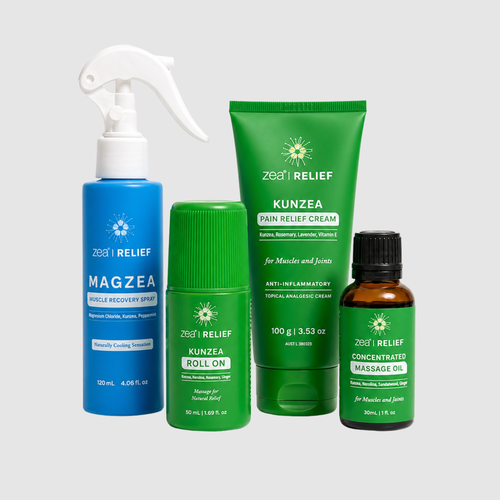
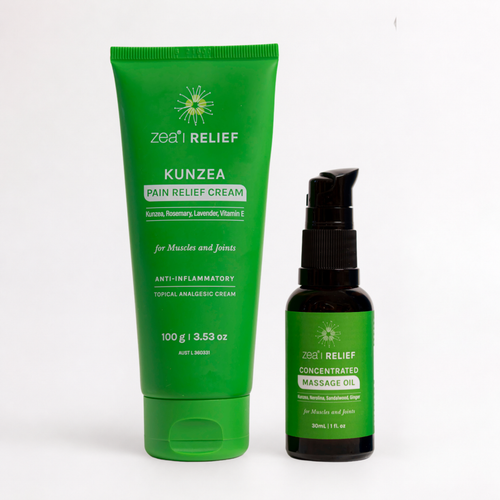
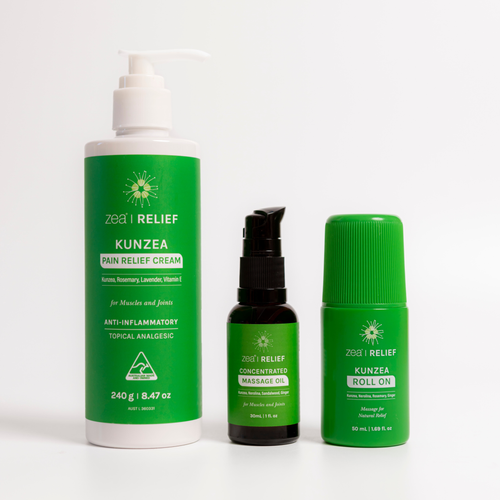
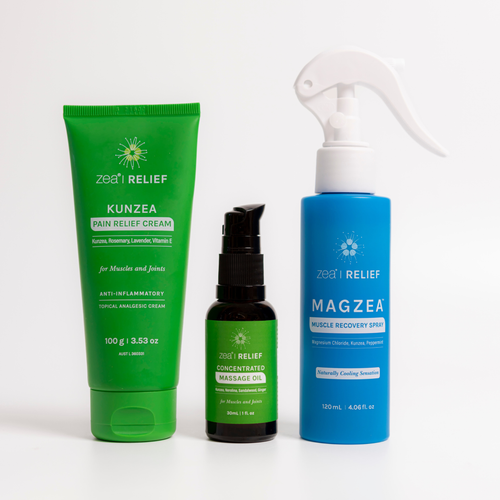
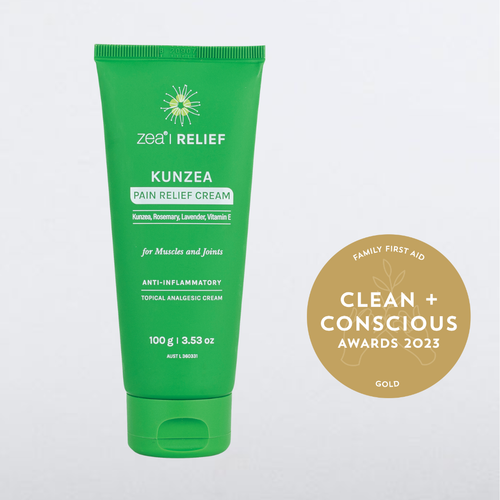
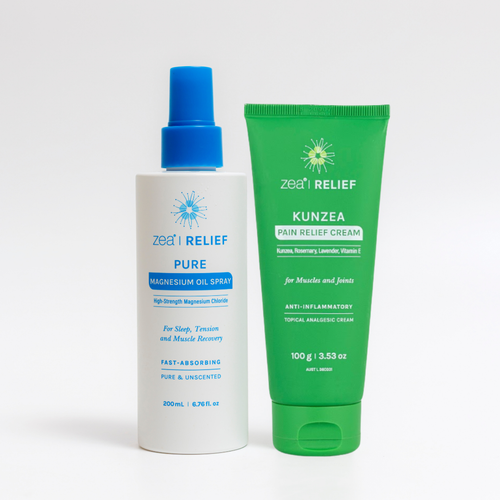
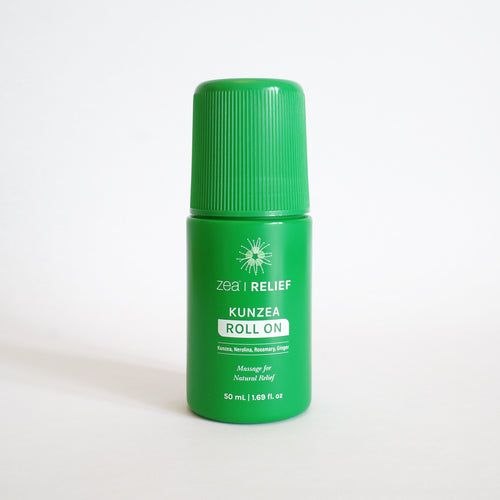
Topical pain relief can also be useful for lower abdominal and lower back pain. Our Zea Relief range - including the Kunzea Pain Relief Cream and Concentrated Massage Oil - contains 100% natural, non-toxic formulas that absorb quickly and provide targeted, localised relief without the side effects of NSAIDs.
Movement and Physiotherapy
Gentle, regular movement is one of the most evidence-supported strategies for managing endometriosis pain. Exercise releases endorphins - the body's natural pain-relieving chemicals - and can reduce inflammation over time.
Recommended approaches include:
- Yoga and stretching - particularly hip-opening and pelvic floor stretches that release tension in the affected area
- Swimming - low-impact and supportive of the joints
- Walking - gentle daily movement that supports circulation and mood
- Pelvic floor physiotherapy - highly recommended for those with endo-related pelvic pain. A women's health physio can assess and treat pelvic floor dysfunction, which commonly co-exists with endometriosis
Listen to your body - during severe flare-ups, rest is equally important. The goal is consistent, gentle movement on good days, not pushing through pain.
Nutrition and Gut Health
Because endometriosis is an inflammatory condition, an anti-inflammatory diet can be a supportive tool. Focus on:
- Omega-3 rich foods - oily fish (salmon, mackerel, sardines), walnuts, flaxseeds and chia seeds
- Colourful vegetables and fruits - rich in antioxidants that help reduce systemic inflammation
- Turmeric and ginger - natural anti-inflammatory compounds
- Reducing processed foods, refined sugar and alcohol - all of which can worsen inflammation
Many people with endometriosis also experience gut symptoms (often due to adhesions near the bowel). A dietitian familiar with endometriosis can help tailor an eating approach to your specific symptoms.
Stress and Sleep
Chronic pain is exhausting - both physically and emotionally. Prioritising sleep and managing stress aren't luxuries; they're essential parts of managing any chronic condition. Research shows that poor sleep worsens pain perception, and chronic stress amplifies inflammatory pathways.
Practical strategies:
- Establish a consistent sleep schedule and a calming wind-down routine
- Try diffusing calming essential oils such as lavender or our Kunzea Essential Oil in the bedroom
- Practice breathwork or meditation for 10-15 minutes daily (even simple box breathing can activate the parasympathetic nervous system)
- Connect with a psychologist or counsellor who has experience with chronic pain
Building Your Support Team
Living well with endometriosis typically requires a multidisciplinary team:
- Gynaecologist or endometriosis specialist - for medical diagnosis and treatment
- Women's health physiotherapist - for pelvic floor and musculoskeletal support
- Dietitian - for nutrition guidance
- Psychologist or counsellor - for emotional wellbeing and chronic pain support
- GP - for ongoing coordination of care
Endometriosis Australia (endometriosisaustralia.org) is an excellent resource for finding specialists and peer support groups across Australia.
Watch Our Webinar
In partnership with Matilda, we hosted a free online webinar in March 2024 featuring women's health physiotherapist Jo Morris. The session covered practical tips for navigating endometriosis, answering real questions from people living with the condition. Watch the recording below.
Frequently Asked Questions
Is endometriosis the same as painful periods?
Not exactly. While painful periods can be a symptom of endometriosis, endo pain often goes beyond menstruation - affecting daily life, bowel movements, intimacy and more. Many people with very painful periods are eventually diagnosed with endometriosis, but not everyone with painful periods has endo.
Can natural products help with endometriosis pain?
Natural topical products like our Zea Relief range can help manage localised pain in the abdomen and lower back. They work best as part of a broader pain management strategy alongside medical treatment and lifestyle support.
Does endometriosis get worse over time?
It varies from person to person. For some, the condition progresses; for others it remains stable. Early diagnosis and appropriate management are key to limiting impact on quality of life.
You are not alone in this. At Zea, we're proud to support the endometriosis community and are committed to continuing to raise awareness of this important condition.
Explore our natural pain relief range →
About the Author
Hayden Brass, Founder & CEO of Zea
Hayden founded Zea in 2016 as a family market stall in Tasmania, built around Australian Kunzea. Zea has since grown into a multi-brand natural health company and Australia's only Certified B Corporation in natural pain relief, still built on the same Tasmanian Kunzea range that started it all. Read more about Zea's story →

![Kunzea Pain Relief Cream [Value Pack]](http://www.zeaaustralia.cn/cdn/shop/files/Neutral_Images_Website_1080_x_1080_12_aeeb7fb5-6b18-4315-99ea-c7a97403e37a.png?v=1776732033&width=500)


