
When you're feeling sore - whether from a tough workout, a flare-up of a chronic condition, or the general aches that come with an active life - the temptation is to reach for something quick and convenient. But what if the most powerful relief came from your kitchen rather than your medicine cabinet?
The connection between diet and inflammation is one of the most well-established areas of nutritional science. By making strategic choices about what you eat, you can meaningfully reduce the amount of inflammation in your body - and with it, your pain levels.
This article was written by Samantha Gemmell (BHSC Nut Med), a qualified nutritionist, health writer and speaker.
Why Inflammation Causes Pain
Inflammation is not inherently bad. It's part of the body's healing response - when you injure yourself, the immune system floods the area with blood, nutrients, and immune cells to begin repair. Without inflammation, we couldn't heal.
The problem is chronic, low-grade inflammation - a persistent state of low-level immune activation that many people experience without knowing it. This type of inflammation is associated with:
- Chronic muscle and joint pain
- Arthritis and inflammatory conditions
- Heart disease and Type 2 diabetes
- Autoimmune conditions
- Digestive issues and bloating
- Mental health challenges including depression and anxiety
- Degenerative diseases such as Alzheimer's
Diet is one of the most powerful - and most accessible - tools for managing chronic inflammation. Here are the foods that make the biggest difference.
Best Anti-Inflammatory Foods
Berries
Berries are nature's anti-inflammatory powerhouses. Lower in sugar and higher in fibre than most fruits, they're also packed with antioxidants - particularly anthocyanins, which give berries their deep red, purple, and blue hues. Research shows that regular blueberry consumption can meaningfully reduce post-exercise inflammation, making them an ideal recovery food for active people. Aim for a handful of mixed berries daily.
Oily Fish
When it comes to reducing inflammation, omega-3 fatty acids are among the most important nutrients. And oily fish - salmon, mackerel, sardines, herring - is the richest dietary source. Studies suggest that eating oily fish four times per week can significantly reduce inflammatory markers throughout the body. For a plant-based alternative, focus on flaxseeds, chia seeds, hemp seeds, and walnuts.
Turmeric and Ginger
These two spices are among the most extensively researched natural anti-inflammatory compounds. Turmeric's active component, curcumin, has demonstrated potent anti-inflammatory effects comparable to some pharmaceutical anti-inflammatories - without the side effects. Ginger contains gingerols and shogaols that have shown pain-relieving effects in conditions like osteoarthritis. Add both to curries, smoothies, or teas daily.
Tart Cherry Juice
This is one of the most underrated recovery tools available. Tart cherries contain antioxidants that can meaningfully reduce muscle soreness and inflammation after exercise. Research also shows they support better sleep quality - thanks to natural melatonin content - which is critical for recovery and pain management. Look for 100% tart cherry juice (not cherry-flavoured cordial) and aim for 250ml per day.
Dark Chocolate
Good news for chocolate lovers: cacao is genuinely rich in anti-inflammatory antioxidants. Research links regular dark chocolate consumption (at least 70% cocoa) with lower C-Reactive Protein (CRP) levels - a key marker of systemic inflammation. The sweet spot is around 20g per day. Choose high-quality, minimally processed dark chocolate for maximum benefit.
Leafy Greens and Cruciferous Vegetables
Kale, spinach, broccoli, Brussels sprouts, and similar vegetables are packed with vitamins C, K, and E - all potent antioxidants - along with sulforaphane and other compounds with documented anti-inflammatory activity. Aim to fill half your plate with vegetables at every meal.
Extra Virgin Olive Oil
The traditional Mediterranean diet's anti-inflammatory benefits are largely attributed to olive oil. Oleocanthal - a compound in high-quality extra virgin olive oil - has a mode of action similar to ibuprofen, inhibiting the same inflammatory enzymes. Drizzle generously over salads and cooked vegetables, or use in cooking at moderate temperatures.
Foods That Worsen Inflammation
While adding anti-inflammatory foods is the priority, it's also worth reducing: refined sugars, ultra-processed foods, trans fats, excess alcohol, and refined vegetable oils (like canola and sunflower). You don't need to be perfect - an 80/20 approach works well for most people.
Combining Diet with Topical Relief
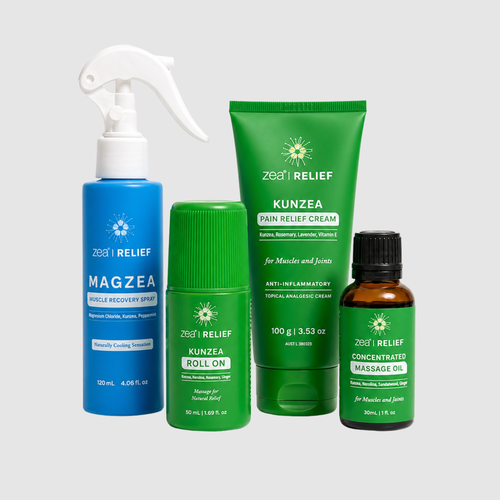
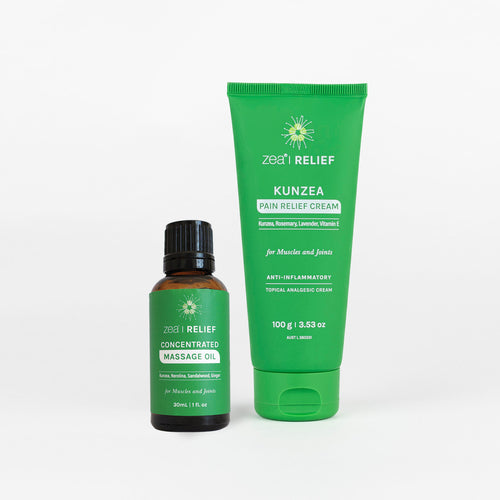
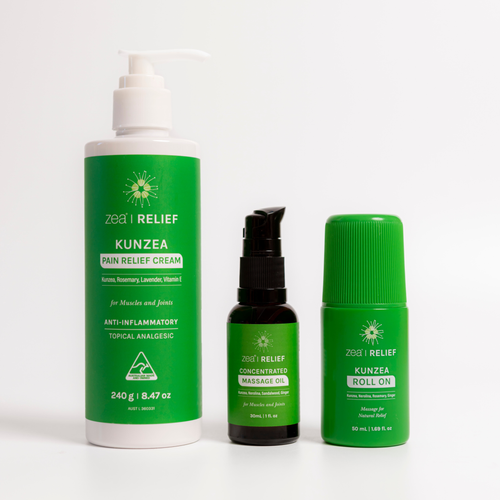
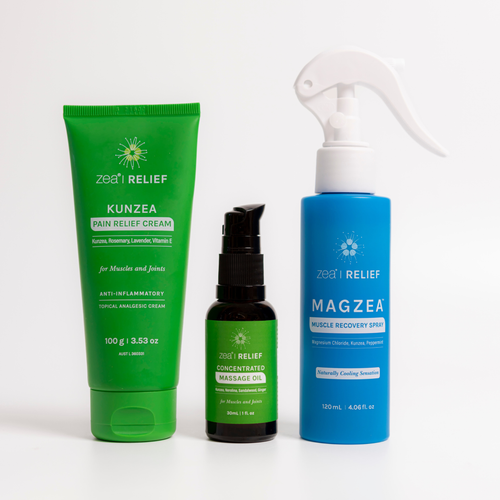
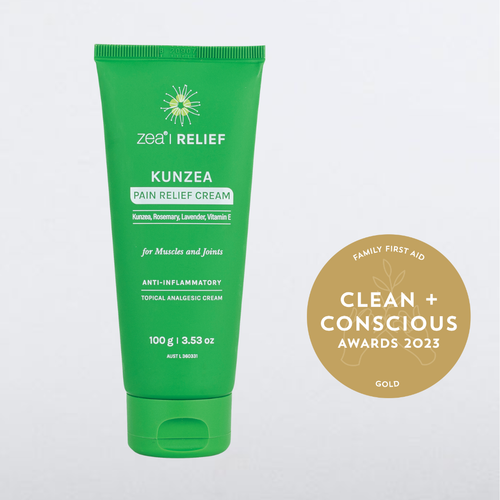
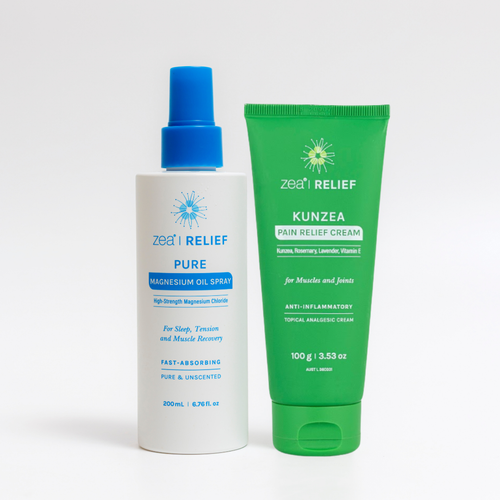
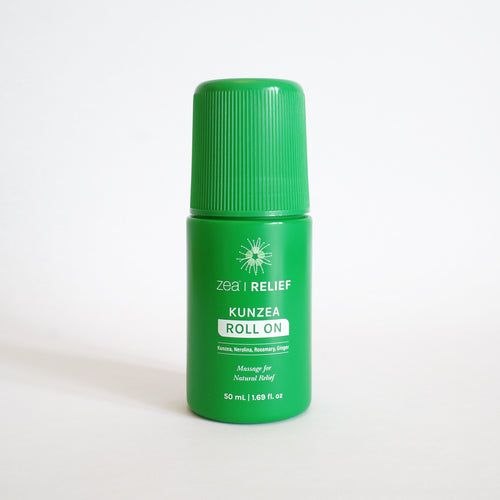
The best results come from addressing inflammation from multiple angles. Alongside an anti-inflammatory diet, topical natural remedies can provide targeted, immediate relief for sore muscles and joints. Our Kunzea Pain Relief Cream and Concentrated Massage Oil contain Kunzea oil - a Tasmanian botanical with documented anti-inflammatory properties - that can complement your dietary approach and provide localised relief where you need it most.
A Kunzea Bath Salts soak after a meal rich in anti-inflammatory foods is one of our favourite recovery routines - and one that many of our customers swear by.
Frequently Asked Questions
How long does it take for an anti-inflammatory diet to work?
Most people notice some reduction in bloating and digestive symptoms within a week. For chronic pain and inflammatory conditions, a sustained approach over 4-12 weeks typically produces the most significant and lasting results.
Do I need supplements as well as food?
Whole foods are always the first priority. Some people benefit from omega-3 supplements (fish oil or algae oil), curcumin supplements, or magnesium - but these work best alongside a good dietary foundation, not instead of one.
Is an anti-inflammatory diet the same as a Mediterranean diet?
They overlap significantly. The Mediterranean diet is one of the most well-studied anti-inflammatory dietary patterns - rich in olive oil, fish, legumes, vegetables, fruits, and whole grains, with minimal red meat and processed food.
About the Author - Samantha Gemmell (BHSC Nut Med): Sam is a qualified nutritionist, health writer and speaker. Her passion lies in the power of food and the belief that there is no one perfect diet for everyone. Her goal is making health simple, actionable, and evidence-based. Visit samanthagemmell.com to learn more.
![Kunzea Pain Relief Cream [Value Pack]](http://www.zeaaustralia.cn/cdn/shop/files/Neutral_Images_Website_1080_x_1080_12_aeeb7fb5-6b18-4315-99ea-c7a97403e37a.png?v=1776732033&width=500)


